How Teachers Can Use Micro-Lessonsمعلم ها چطور از درس های کوتاه استفاده کنند
A practical teaching system for turning big topics into focused, repeatable learning moments.یک سیستم تدریس کاربردی برای تبدیل موضوع های بزرگ به لحظه های یادگیری متمرکز و قابل تکرار.
A micro-lesson is not a short lesson because the teacher ran out of time. It is a complete learning cycle with one clear target.
The best micro-lessons answer one question:
What should the learner be able to do differently after this?
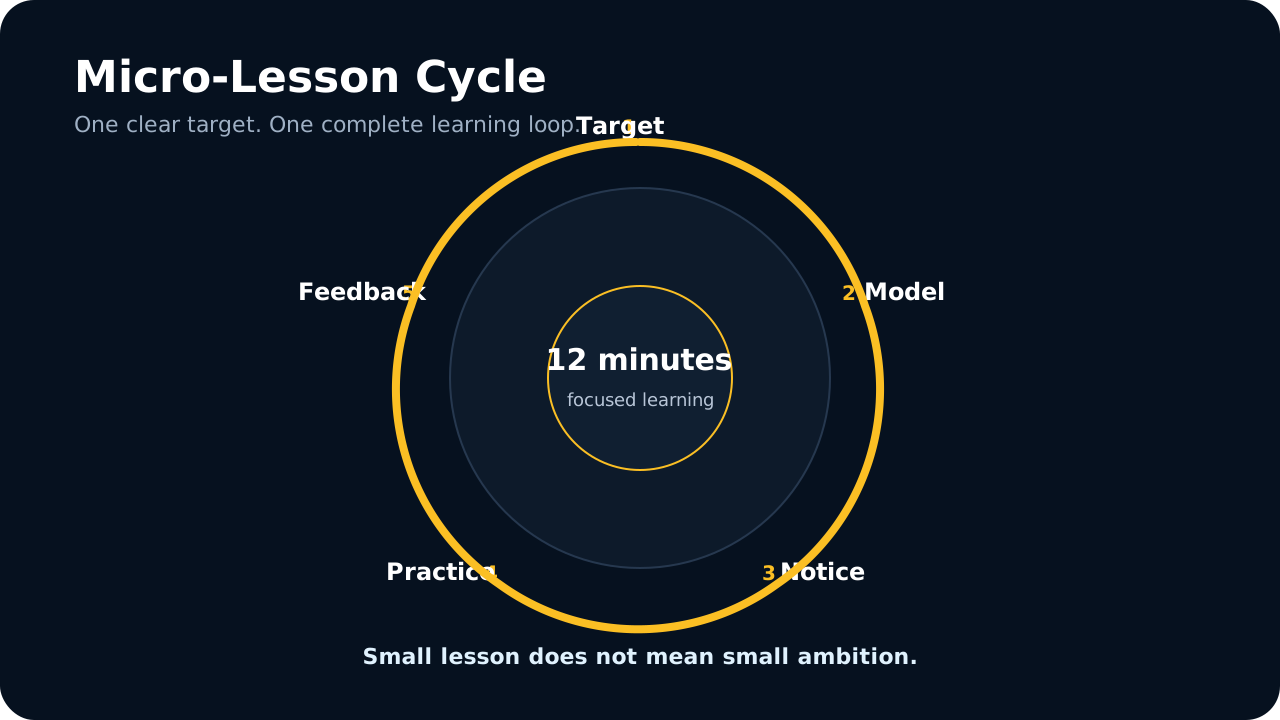
The five-part structure
- Target: name the skill in plain language.
- Model: show one strong example.
- Notice: ask students what makes the example work.
- Practice: give one narrow task.
- Feedback: correct one high-value error.
This structure works for English, exam preparation, programming, and AI literacy because it keeps the learner's attention on one move.
Example: IELTS speaking
Target: answer opinion questions with a clear claim and reason.
Model:
I think online learning is useful because it gives students more control over time.
For example, a student can review a difficult grammar point before class.
Practice task: answer one opinion question using claim plus reason plus example.
Feedback focus: does the answer actually answer the question?
Why micro-lessons work
Micro-lessons reduce cognitive load. They also make progress visible. A learner may not feel that they "improved English" in 15 minutes, but they can feel that they learned how to organize one speaking answer.
That visible progress matters. It creates momentum.
Teacher checklist
- Keep one target only.
- Use one model example.
- Make practice short but real.
- Correct the most useful error, not every error.
- End with one next step.
Small lessons are not small ambitions. They are a way to make big ambitions trainable.
درس کوتاه یعنی درس ناقص یا عجله ای نیست. یک درس کوتاه چرخه کامل یادگیری با یک هدف روشن است.
بهترین درس های کوتاه به یک سوال جواب می دهند:
بعد از این، زبان آموز باید چه کاری را متفاوت انجام دهد؟
ساختار پنج بخشی
- هدف: مهارت را با زبان ساده نام ببر.
- مدل: یک نمونه قوی نشان بده.
- توجه: از زبان آموز بخواه بگوید چرا نمونه خوب کار می کند.
- تمرین: یک تمرین محدود و واقعی بده.
- بازخورد: یک خطای باارزش را اصلاح کن.
این ساختار برای انگلیسی، آمادگی آزمون، برنامه نویسی و سواد هوش مصنوعی جواب می دهد، چون توجه زبان آموز را روی یک حرکت نگه می دارد.
مثال: اسپیکینگ آیلتس
هدف: جواب دادن به سوال نظر با ادعا و دلیل روشن.
مدل:
I think online learning is useful because it gives students more control over time.
For example, a student can review a difficult grammar point before class.
تمرین: به یک سوال نظر با الگوی ادعا + دلیل + مثال جواب بده.
تمرکز بازخورد: آیا جواب واقعا به سوال پاسخ می دهد؟
چرا درس کوتاه کار می کند
درس کوتاه بار ذهنی را کم می کند و پیشرفت را قابل دیدن می کند. شاید زبان آموز در ۱۵ دقیقه حس نکند «انگلیسی اش بهتر شد»، اما می تواند حس کند یاد گرفته یک جواب اسپیکینگ را بهتر سازمان بدهد.
همین پیشرفت قابل دیدن، انگیزه حرکت بعدی را می سازد.
چک لیست معلم
- فقط یک هدف داشته باش.
- یک نمونه مدل استفاده کن.
- تمرین کوتاه اما واقعی بده.
- مفیدترین خطا را اصلاح کن، نه همه خطاها را.
- با یک قدم بعدی تمام کن.
درس کوچک یعنی جاه طلبی کوچک نیست. یعنی جاه طلبی بزرگ را قابل تمرین می کنیم.